The Bible and Slavery: Arguments For and Against Biblical Support
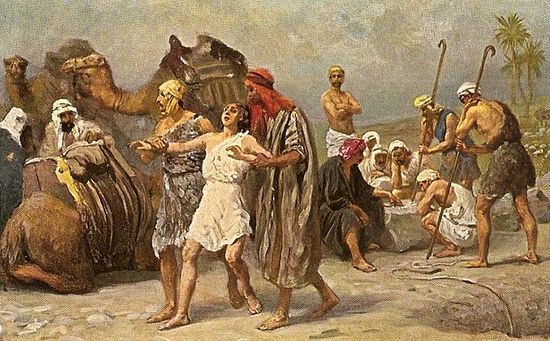 |
| Slavery around the time of the Bible |
The relationship between biblical texts and slavery has been one of the most contentious debates in Christian history. During the antebellum period in America, both pro-slavery and abolitionist Christians used the same biblical texts to support opposing viewpoints. This analysis examines how the Bible has been interpreted both to support and condemn slavery.
Biblical Arguments Supporting Slavery
 |
| Slavery during the Roman Empire |
Biblical Arguments Against Slavery
Christian abolitionists argued that Genesis 1:27, stating humans are made "in the image of God," provided the theological foundation for human equality and dignity that made slavery incompatible with Christian faith. They emphasised that all people possess equal value and worth as God's creation.
The Bible prohibits kidnapping (Exodus 21:16, 1 Timothy 1:8-10). Abolitionists argued that since the transatlantic slave trade was based on kidnapping Africans, it violated clear biblical prohibitions against "man-stealing." Early Christian opposition existed as well—Gregory of Nyssa preached against slave ownership in 380 AD, demonstrating some early Christians saw slavery as morally problematic.
Historical Context in America
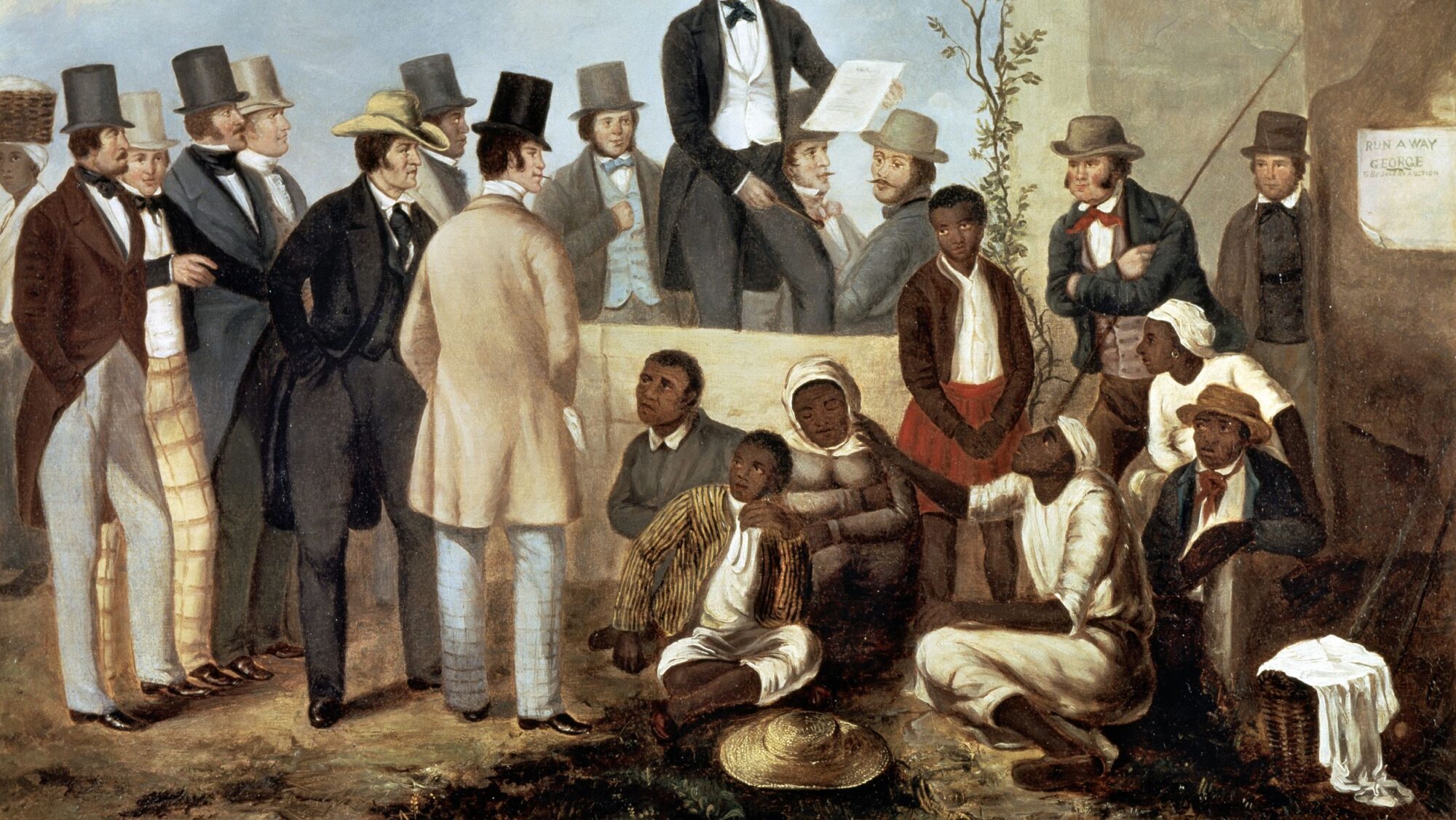 |
| Slavery in America |
I learned that pro-slavery Christians dominated the debate initially, using biblical texts to justify the institution. However, I found that abolitionists, though initially in the minority, gained support among Methodist, Baptist, Adventist, and Presbyterian denominations. Many members freed their slaves and sponsored black congregations where ministers encouraged slaves to believe freedom was achievable.
Conclusion
Through my analysis, I found that the biblical debate over slavery reveals the complexity of scriptural interpretation and cultural influence on biblical understanding. While the Bible contains passages regulating slavery as an existing institution, I discovered it also contains principles of human dignity, justice, and love that many Christians came to see as incompatible with slavery.
I concluded that the fact that committed Christians on both sides could find biblical support demonstrates how cultural assumptions shape interpretation. Ultimately, I observed that the abolitionist interpretation gained dominance not necessarily because their arguments were more textually obvious, but because they emphasised broader biblical themes of liberation, justice, and human equality. This historical debate serves as a reminder of the importance of careful interpretation and awareness of how social context influences biblical understanding.


No comments:
Post a Comment